
Extracts from a masterclass... with Ewelina Rosińska
For this week's Bench Selects, we wanted to share with you an extract from our editing masterclass with film artist Ewelina Rosińska.

Ewelina Rosińska is a film artist who explores female perspectives and the themes of identity and transnationality. Through experimental film possibilities and the complexity of image and sound, she develops her own language that goes beyond words and seeks emotional directness. In her work, she primarily uses a Bolex 16mm camera. She is interested in the fragmentary narratives, peripheral experiences and the fleeting everyday moments in her surroundings.
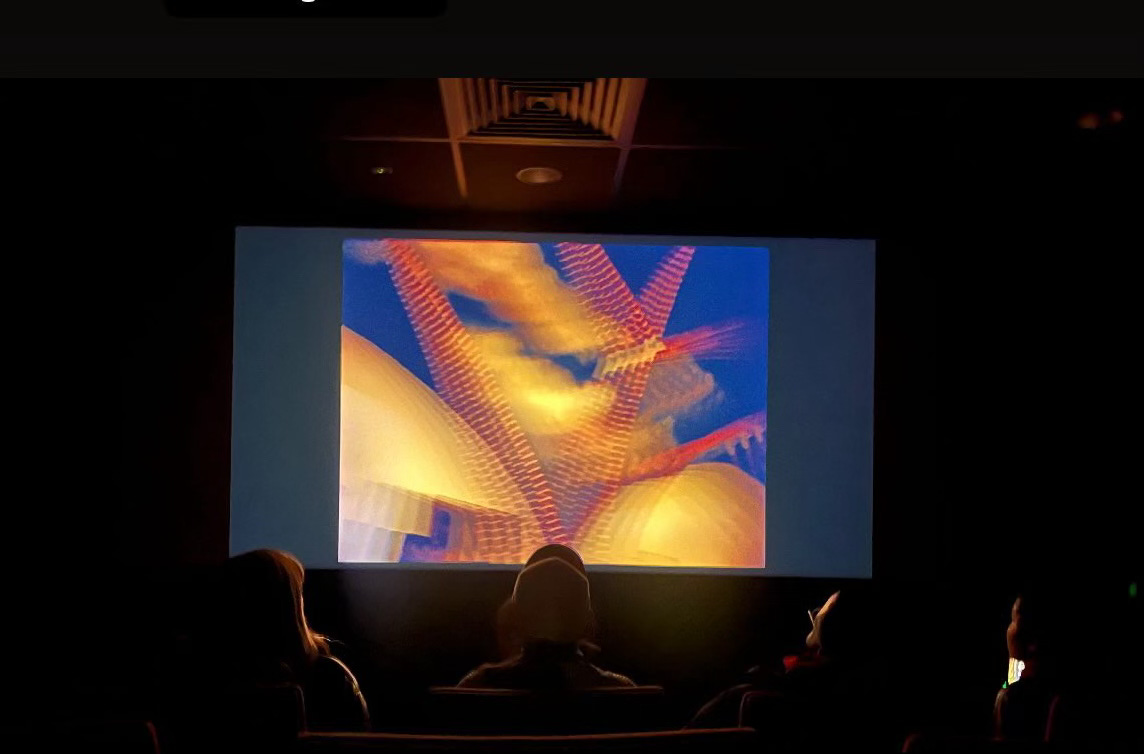
We first met Ewelina at CPH:DOX in Copenhagen last year. Her work, ‘Unstable Rocks’ had its international premiere in the New:Vision Competition. On Tuesday, we showed Ewelina’s older work from 2023 and gathered afterwards to hear about her process of making it.
POPIÓŁ IMIENIEM JEST CZŁOWIEKA / ASHES BY NAME IS MAN (2023)
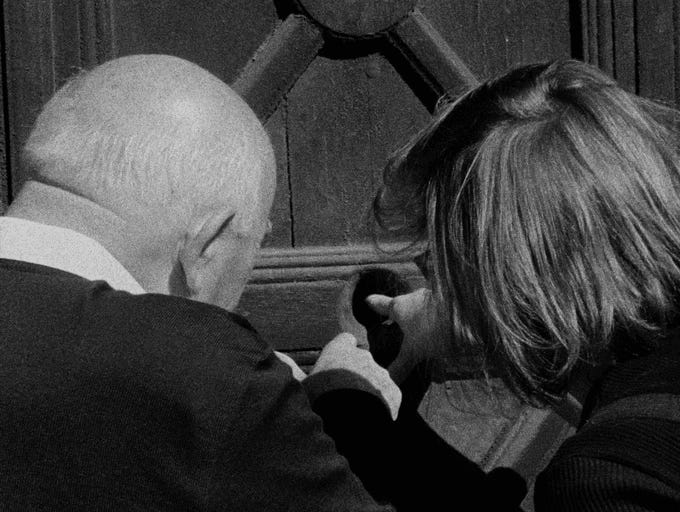
I read in the writings of one painter that, for him, the Polish landscape seems to constantly draw our gaze to the ground, making us look not over the horizon but under our feet, at the bones buried beneath each step. The film shifts between a portrait of my eighty-year-old grandparents and my view on the elements and imagery of the National-Catholic narrative in the Polish landscape.
ER: This film was quite a long journey before the edit began. It was my take on this feeling about Polish identity. I’m Polish and when I was about twenty, I moved to Germany. And, one has a certain role in a society being Polish in Germany… it’s like a poorer neighbour from the East. So I had many things that I needed to put in order to deconstruct these feelings and to create my own interpretation of them.
This was my second film that I did with the Bolex. For me, the camera works like a pencil and a notebook in one, and I create notes on the go. I did three main films with this camera and this film is the most research based.
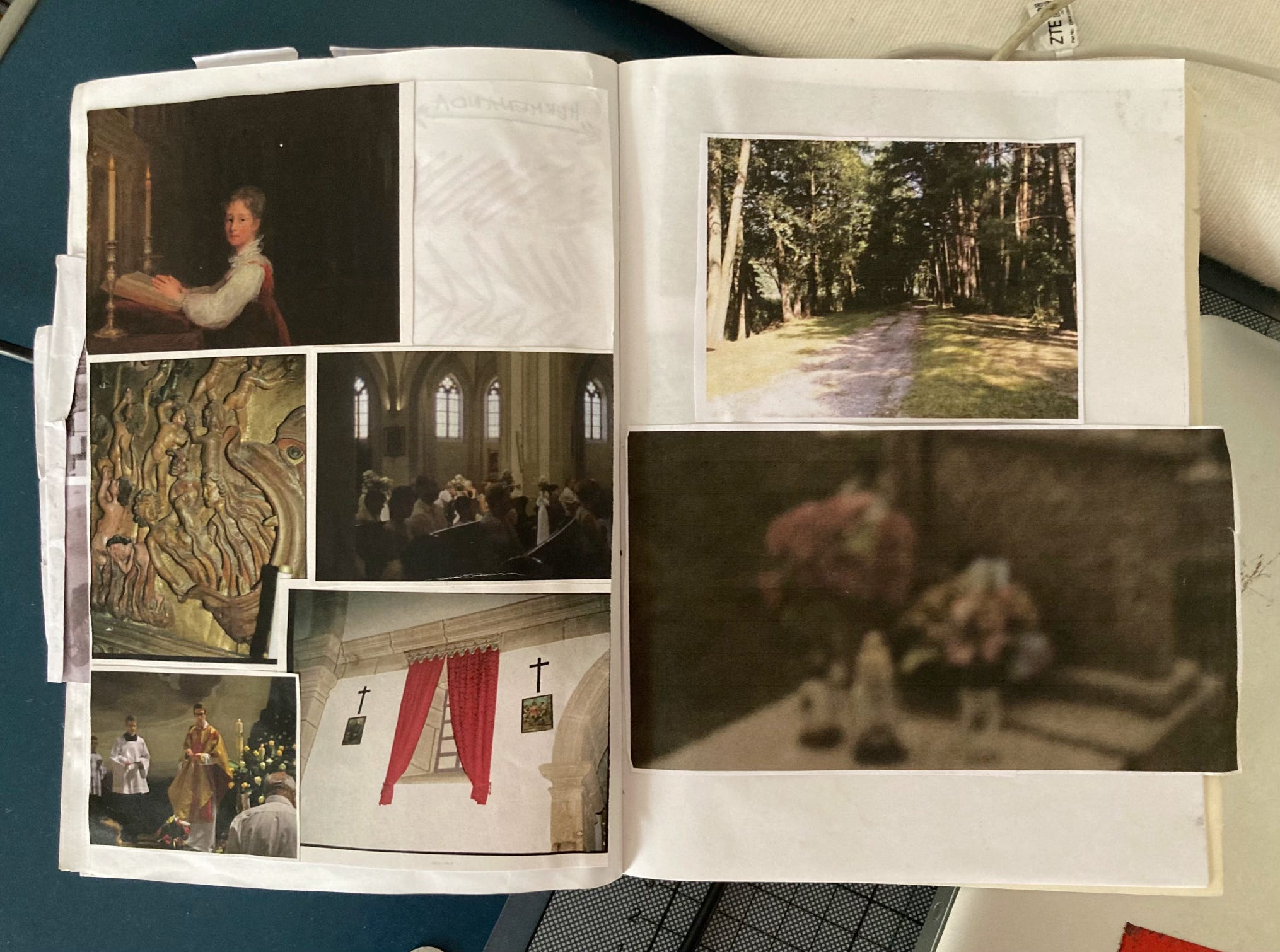
I prepared to show you some notes from before I filmed because I kind of knew what I was going to do. I made a very simple draft of something like a photo book. In general, photography books are very inspiring for me. Similar to my films, they don’t tell a constructed story or, their focus is not to deliver information. It’s more like a collection of images that brings some certain taste about it, or evokes certain feelings, but it’s not so concrete.
I come from a film school, so I come from the environment where people think very conventionally about films in general. I didn’t grow in an environment where what I was doing was natural. And so, to have this first confrontation with my thoughts and the reality, I made something simple. It was important for me to try to understand what is in my head and to see it would stand to become a film.
.
But yeah, I collected different ideas and within the process it was okay that some didn’t happen and some happened. So this was the first step for me.
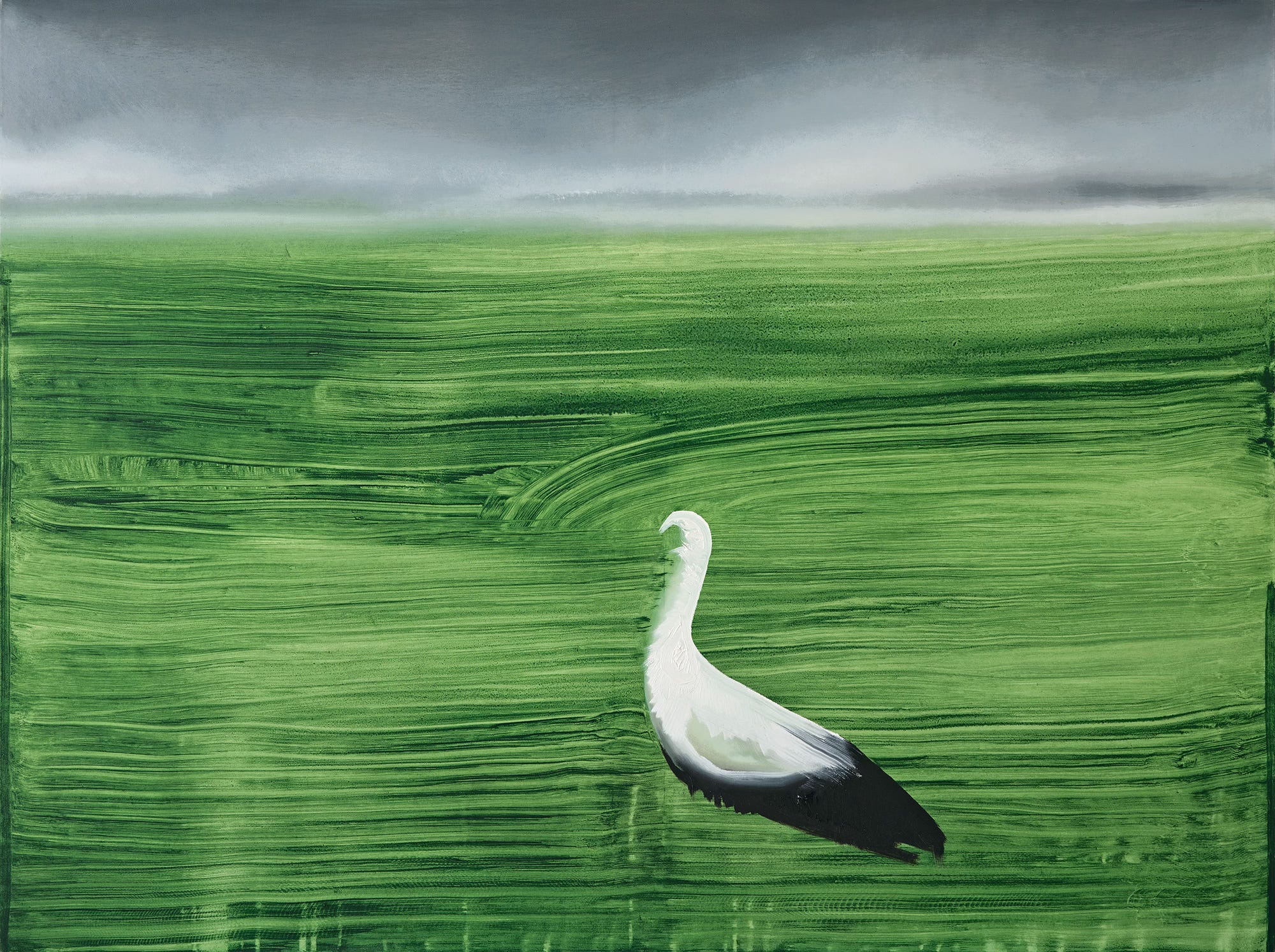
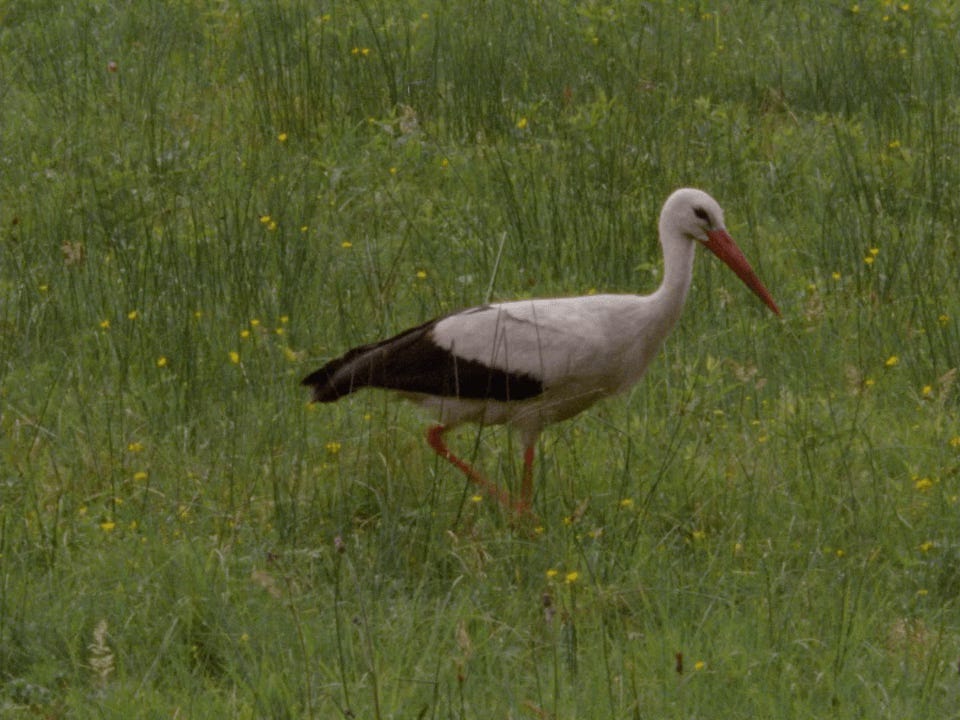
There is a Polish painter, Wilhelm Sasnal. His paintings are a kind of modern take on Polish history. This painting in particular, is special for me because then this situation really happened to me in a real life and I could film it and it became kind of very important element in a movie with the stork.
I was working with texts from literature that were kind of guiding me. I was dealing with for example, the texts of Clarice Lispector, a Brazilian writer of Ukrainian origin…I was filming thinking that I would use them as a voiceover. But in the end it didn’t make it into the film.
I think it’s important to keep all these inspirations and not to question them too fast. Then to accept if they don’t end up in the final film as they will anyway shape the thing we’re doing.
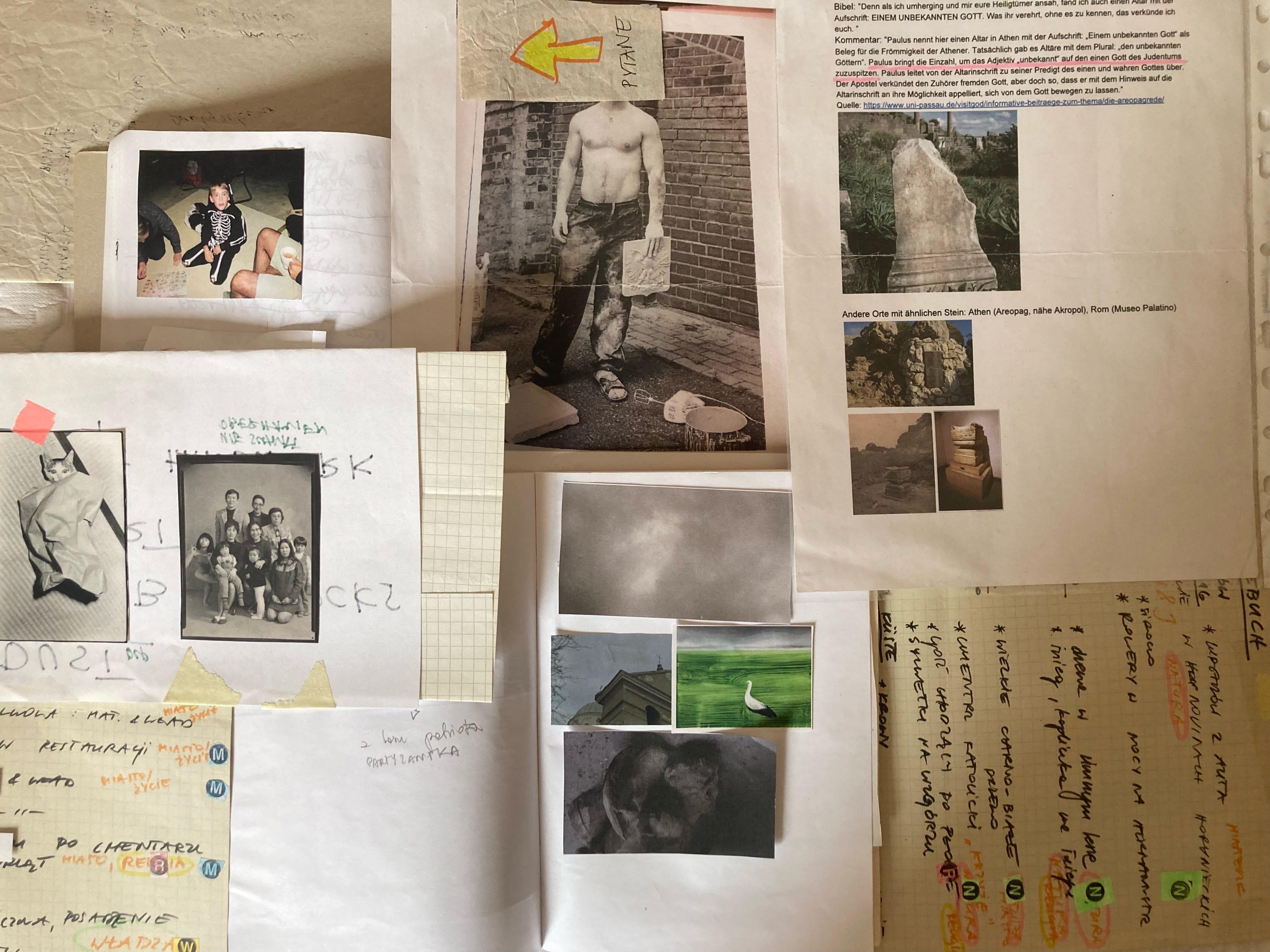
My practice is literally to be around with the camera. Sometimes I go somewhere on purpose because I know, okay, there is a certain church that I really would like to film or a situation like some ritual in the church in the case of this film... But sometimes there is no plan, or sometimes there is a plan, but something happens along the way...
I think it’s important to be open and to accept that when we go somewhere to film something and it doesn’t happen, it is always anyway bringing us somewhere.
So, the first challenging thing in my opinion, is to guide yourself through the filming process without the script and not to doubt too much and not to get overwhelmed too often. To keep calm, focus or not focus... so this mix is maybe sometimes a bit contradictory. And then once you have all this material, when there is no script, no red line or footage that could be many different things.
This is when intuition in the editing is something one can practice. It’s like a muscle. By my very first film, I was very insecure and I was always questioning. I would always look for a certain flow in the editing and I was not experienced enough to feel if there was or wasn’t.
Through the years, and gaining experience in editing, I started to just trust myself and I think one can just simply do it. It’s also maybe my personal problem that I needed a long time before I started to trust my instinct.
The text that influenced my way of editing is by Maya Derren, from a symposium on Poetry and the Film. She’s speaking about horizontal and vertical directions within poetics and cinema and saying that more fiction or dramaturgical cinema is orienting itself by horizontal line and the poetry cinema more by the vertical line...
LINK HERE: https://jugendohnefilm.com/poetry-and-film/
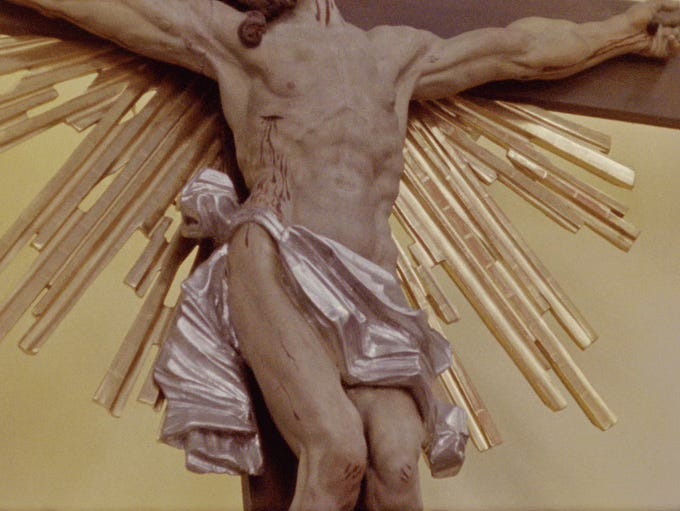
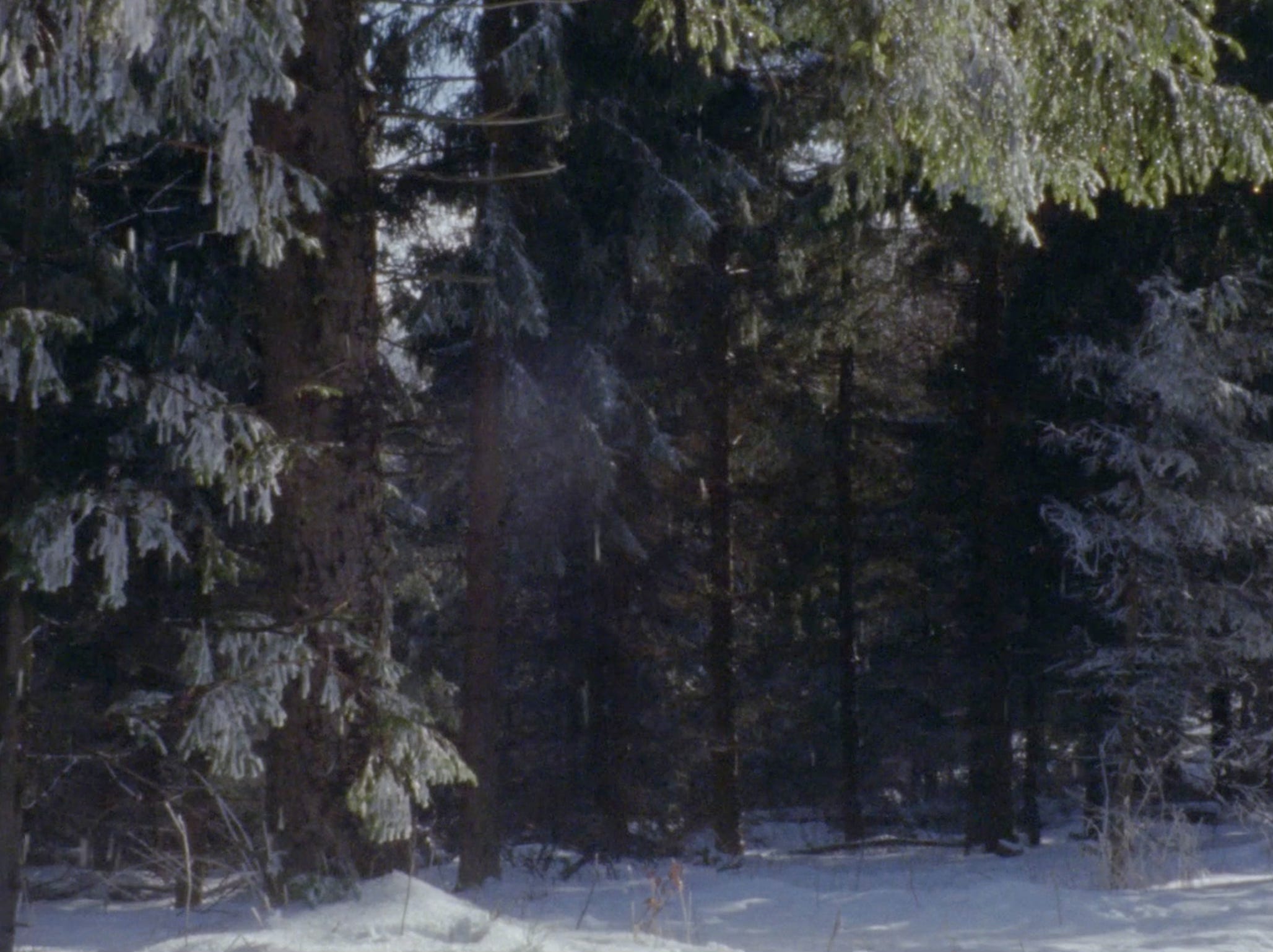
I think it happened kind of organically while I was working on this film that I organised my material into four categories: nature, city, state, and religion. And these are the categories that I decided to use because of the topic, because of what I collected. I think that it’s important to try to listen to the material because many times it will tell us what it is about.
And sometimes it’s not necessarily coherent with our previous expectations, but it is what it is. So I had these categories and I kind of started to see them used in this vertical orientation and then on a horizontal. Because however vertical the film would be, there is a horizontality in it anyway. So, for this horizontal orientation, I was thinking of four seasons, very simple. This system started then to be my partner to have a dialogue with.
When I analyse how writers or poets speak about what they do, I often hear something like, ‘yeah, I gave myself rules in order to be more free’. And this principle, to add some rules of the game in order to allow yourself to play with it, for me personally is an emancipatory act.
The system is not then necessarily communicating from the work itself, but I think one feels it. One feels that the edit comes, that the choices are decided. I think then there is some weight.
Discipline while editing is also important. For me, the strategy is to do some sketches, watch it, write notes, what I would correct. Then when I open the project again, I look at the notes, everything that I would correct, and correct it. I’m not questioning it the next day if it’s okay or not, I just really go through the list. I have to really force myself if I’m not motivated or I don’t see that it’s going to work out. But I really noticed that when I force myself... Like if we’re sewing or playing a piano: when you start, then it comes. And usually at the time or after working on this list, I come to this more inspiring and creative moment... but I always need this more mechanic moment before the other arrives.
Could you speak a bit about the sound process with the film?
Regarding the sound, I have a rule to edit image without sound first, because once you put the sound then I think you neglect the rhythm of the images if you start with sound immediately.
There is this magic of images and sound that makes you more lazy because it works faster than like an image edit without sound. So first, I tried to find the rhythm within the images and only when I feel that there is a certain flow, I start to introduce the sound. I’m not crazy dogmatic about it. But there is moment that, for example, I’m frustrated. I can’t find a way to edit the image only and I take some sound and start to play with it.
And this comes a bit from the fact that once I started to work with this camera, I was trying to edit analog and this is how you edit analog. So it comes from this way of working and I decided to keep it in the digital world because I saw that it brings these qualities.
And then in general with the sound, I work a lot with ambient sounds that I record. I record often with iPhone, and I noticed that there are so many things in the ambience one records. There are so many melodies around us, and usually I listen patiently to the ambience I record and try to elevate them.
Do you open your like process up to other people to look at and give you feedback or is that something you also kind of keep a rule for to like save for later?
I find this area of the unspoken so important. Once you are with people in the room, you have to speak about things...so you have to make it more concrete and then I find you start to question it.
I am very lucky that I have this teacher who became my friend and she’s very careful to not to be judgmental. Once I’m almost finishing the edit, I show her. And then she’s kind of watching with me and telling me, ‘ah, here I’m bored’ or, ‘oh, I don’t feel like coming back to this place’...very simple reactions. She’s not an overthinker, she’s very straightforward and this is helpful.
But it’s so individual and so tricky. Maybe my films would be deeper if I would speak to people because I would have to think things more through! But I don’t know, since there is so much of essay cinema nowadays, I really feel on this side of emotional cinema, going a bit straightforward to your heart and not to question too much. It’s important to me, this thing, so I’m trying to protect it.
Going back to the photobooks, sources of inspiration, do you look to symbols at this stage?
With this particular film, it was important for me to deal with all this language of how the nationality is being performed to you, how is it being introduced to you, how is it lived around you. Then in general, all the Catholic tradition plays a very big role in what I’m doing. It’s not something I feel like I have to deal with it because I was born into it but I have to admit that I always come back to this Catholic world and it’s full of symbols also.
How did you begin to find that working relationship with your intuition?
The film you just saw comes after four years of dealing with the Bolex and filming what comes, and never really knowing if at that at the time I was thinking, maybe I’m just going to do small miniatures and not really short films, just like little moments.
It was important for my personal development because I then decided to take every moment seriously. It’s helpful to work with the Bolex since it’s expensive and limited, you can’t just film. You usually film when you feel something, right? Like it’s not just to press the button and hold. You really have to do it with your whole body.
But anyway, when I was watching and re-watching the material, I would 20 times go, my God, this is just all garbage, I’m never going to be able to do something out of it! But then I decided, okay, I have to respect myself and I have to respect every moment I had the feeling of “I want to film now”, because - I did it, it was me - and I pressed this button. So it was something. It sounds very simple, but I just started to treat this moment when I feel like filming, as something solid, valid, serious to build on.
— Willow on the Bench
The Bench runs a workshop every fortnight. Next Thursday evening on 12th March we have a Poetry Workshop with Alex Abrahams at the Peacock pub in Stepney Green. Tickets here!